What is Neurodiversity?

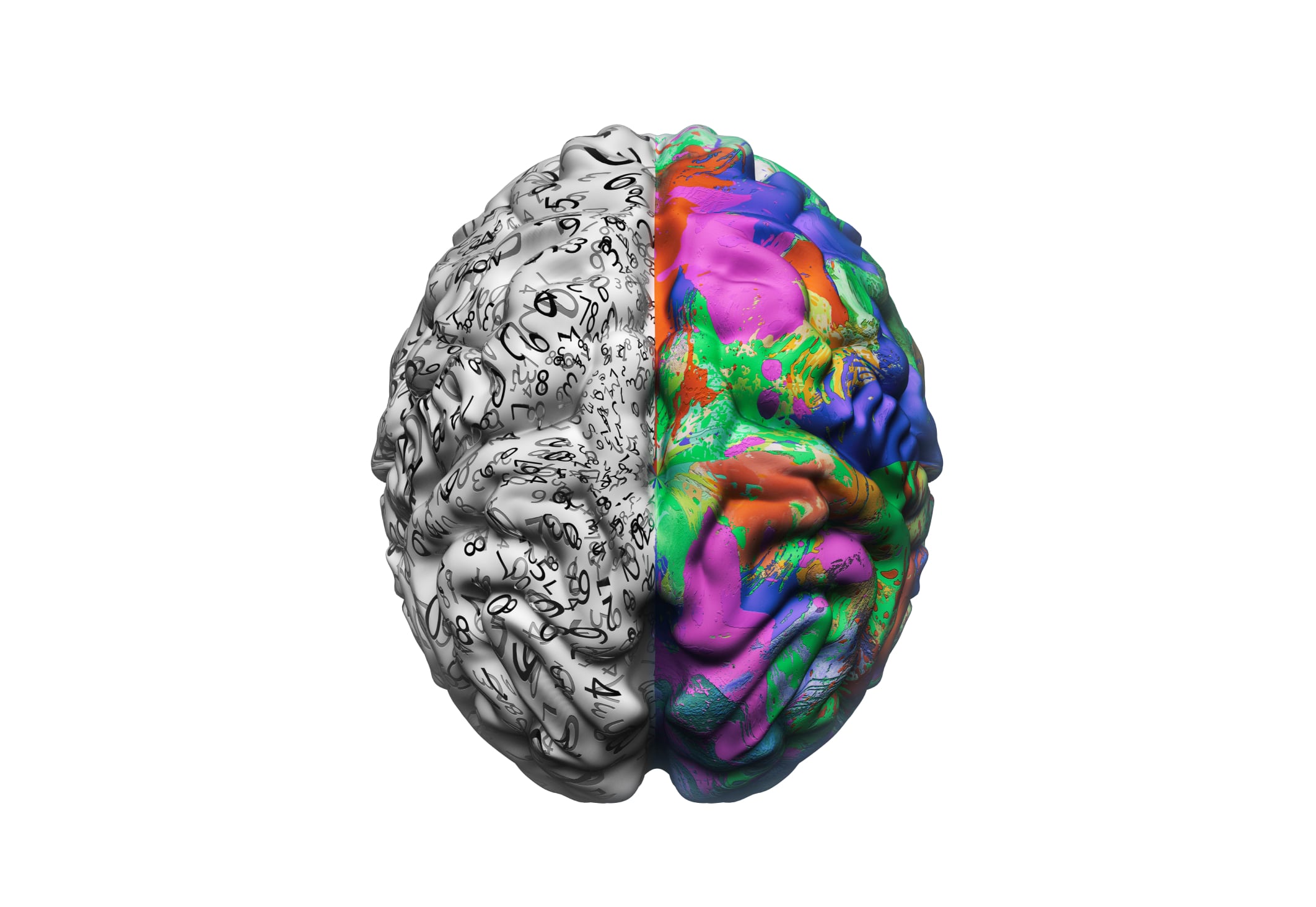
Neurodiversity is a concept that recognises the diversity of human brains and minds. It can help reduce stigma around learning and thinking differences. Some of the most common neurodivergent conditions include dyslexia, dyspraxia and ADHD
Dyslexia is a specific learning difficulty (or difference) which is known to be neurological in origin. It can affect learning and the acquisition of literacy skills. It's estimated up to 1 in every 10 people in the UK has some degree of dyslexia (NHS, 2018).
The Carroll et al (2024) Delphi definition of dyslexia states that:
Many dyslexic individuals have strengths in other areas, such as design, problem solving, creative skills, interactive skills and oral skills. However, some of the difficulties above can cause problems in academic success, social-emotional development, and self-esteem.
Attention Deficit Hyperactivity Disorder (ADHD) is a neuro-developmental disorder characterised by inattention, or excessive activity and impulsivity, which are otherwise not appropriate for a person's age. Some individuals with ADHD also display difficulty regulating emotions or problems with executive function. Furthermore, there can be difficulties with processing verbal and nonverbal language, social interaction and maintaining relationships.
Source: American Psychiatric Association (2013). Diagnostic and Statistical Manual of Mental Disorders (5th ed.). Arlington: American Psychiatric Publishing. pp. 59–65


Developmental Coordination Disorder (DCD), also known, in the UK, as dyspraxia, is a disorder affecting movement and coordination in children and adults, with symptoms present since childhood. There can also be a range of co-occurring non-motor difficulties which can have a substantial impact on daily life. These may include social and emotional difficulties as well as problems with time management, planning and personal organisation.
Source: Dyspraxia Foundation (2015)
SASC (SpLD Assessment Standards Committee – England 2025) defines SpLDs in mathematics and dyscalculia as follows;
A specific learning difficulty in mathematics is a set of processing difficulties that affects the acquisition of arithmetic and other areas of mathematics.
In dyscalculia, the most commonly observed cognitive impairment is a pronounced and persistent difficulty with numerical magnitude processing and understanding that presents in age related difficulties with naming, ordering and comparing physical quantities and numbers, estimating and place value.


We can help with diagnostic assessments, support and other services for students and professionals.
Contact Us